PHP2Shell (CVE-2026-109618 / CVE-2026-109619): Check Your PHP 8.3 / 8.4 Runtime and Vaccinate Production
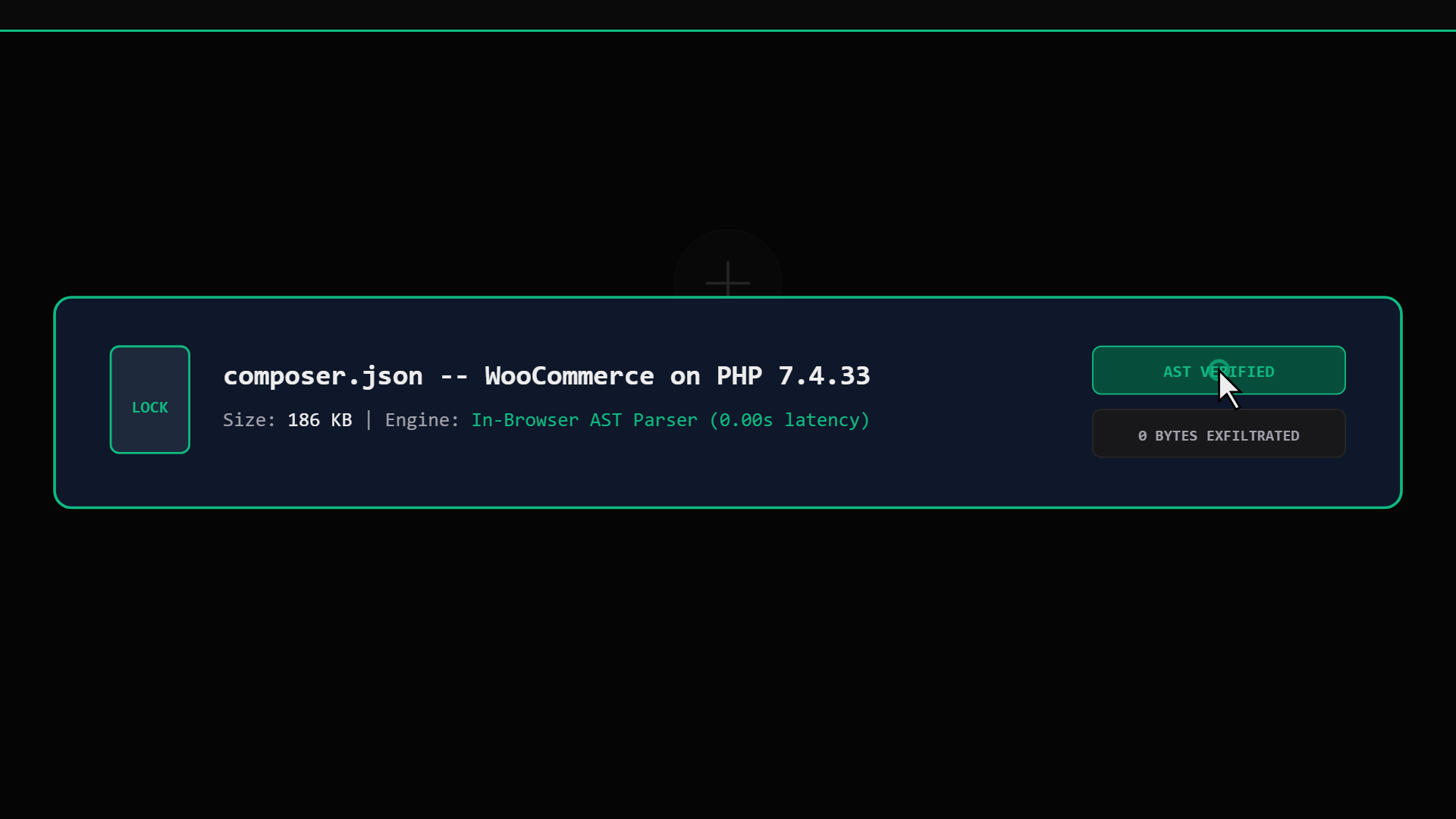
Your composer audit is green. The vulnerable component may be the PHP binary itself, including App Engine workers that were never restarted.
Dual-indexed for CTOs searching exact CVE identifiers (CVE-2026-109618, CVE-2026-111497) and founders triaging production symptoms (Laravel 500 white screen, Node memory leak, Next.js Server Action exploit).
Your composer audit is green. The vulnerable component may be the PHP binary itself, including App Engine workers that were never restarted.
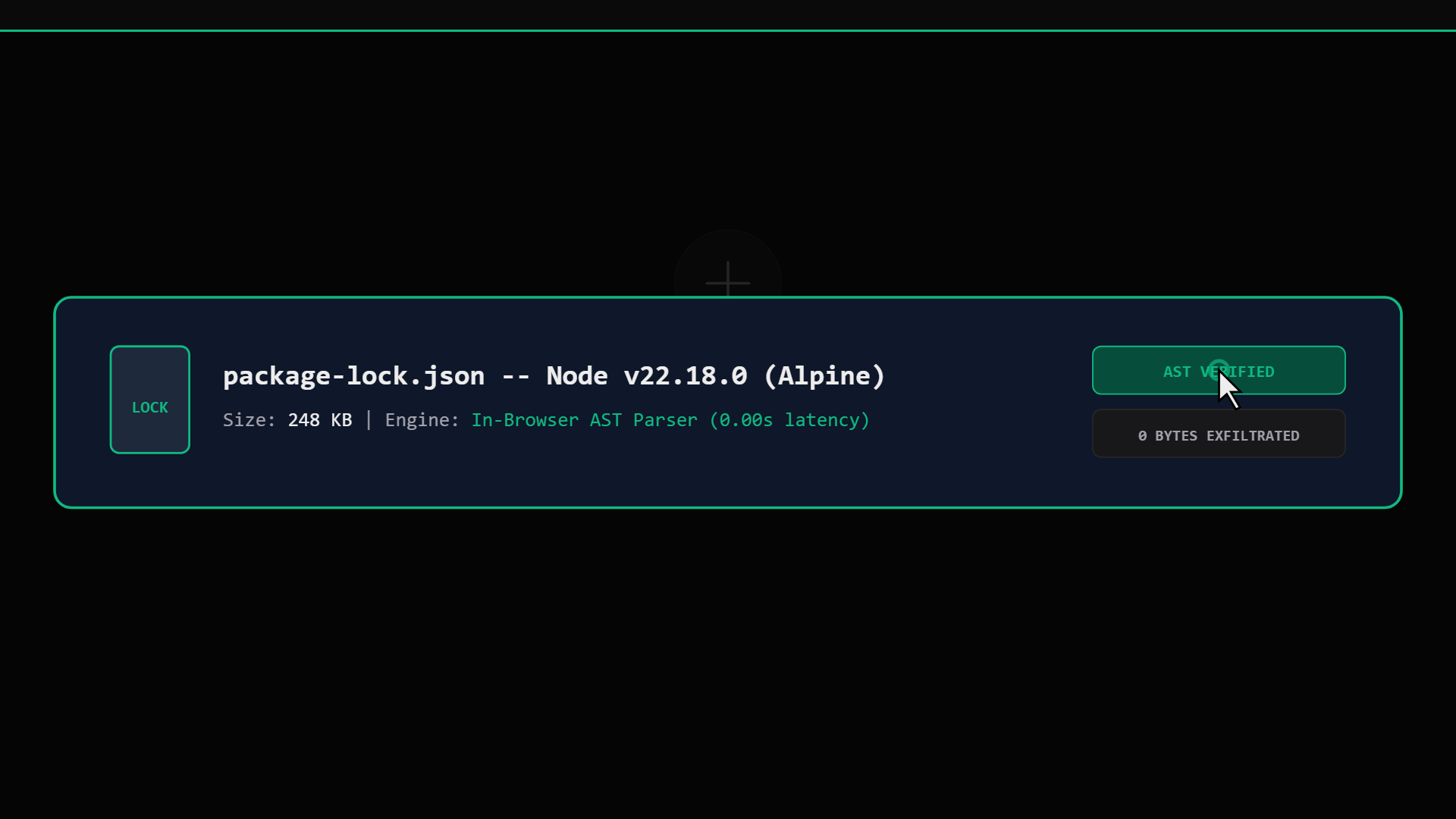
npm audit scans your dependency tree. The vulnerable code is in the Node binary's native Brotli decoder, reachable on both inbound requests and outbound fetch().
End-of-life PHP branches get no upstream fixes. You can shrink exposure to CVE-2026-109618 and CVE-2026-109619 today, then upgrade on your schedule.
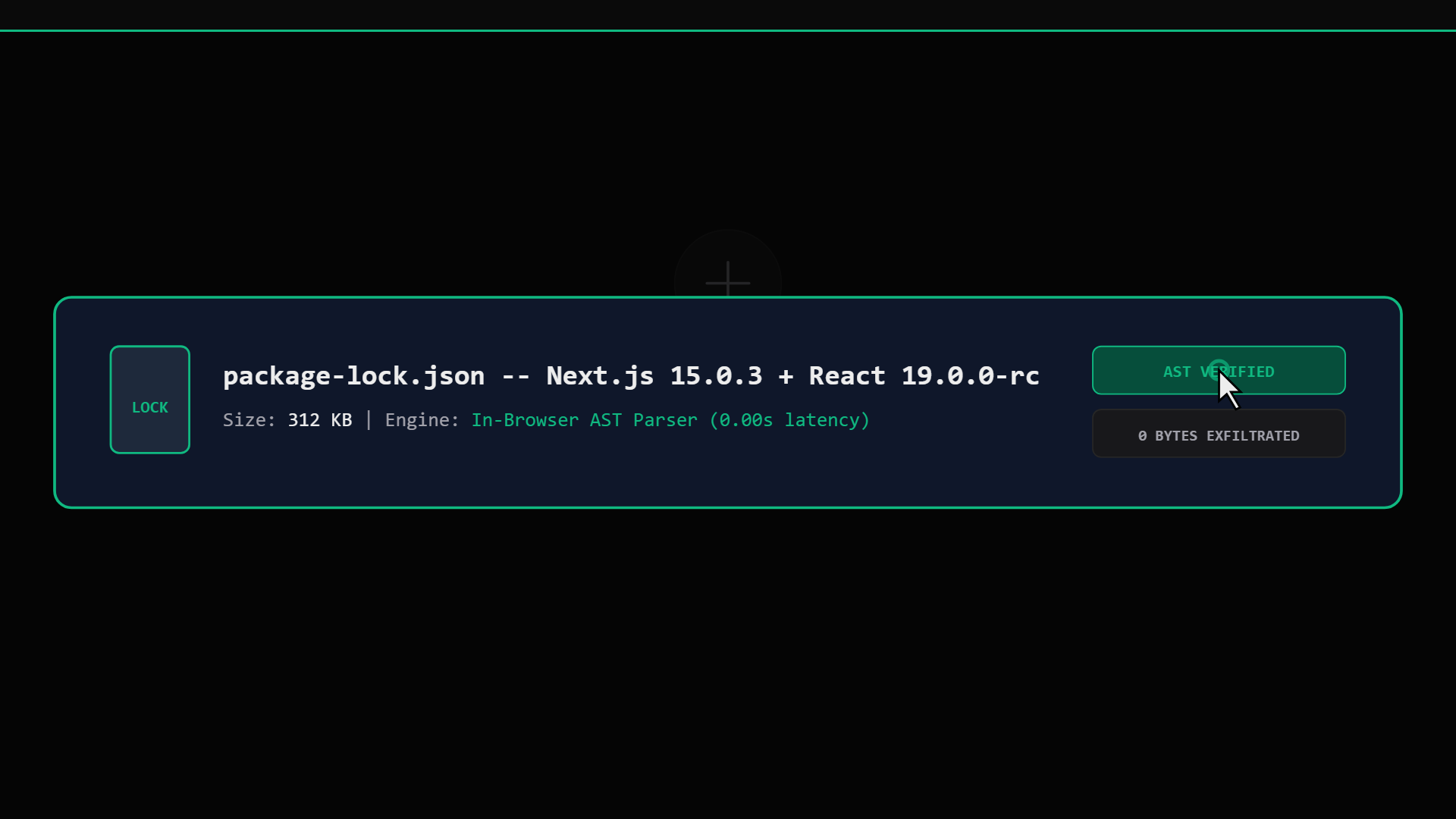
Three independent failure classes can sit in the same app: an RSC protocol RCE, a Node runtime memory bug, and tenant data exposed by missing Row-Level Security.
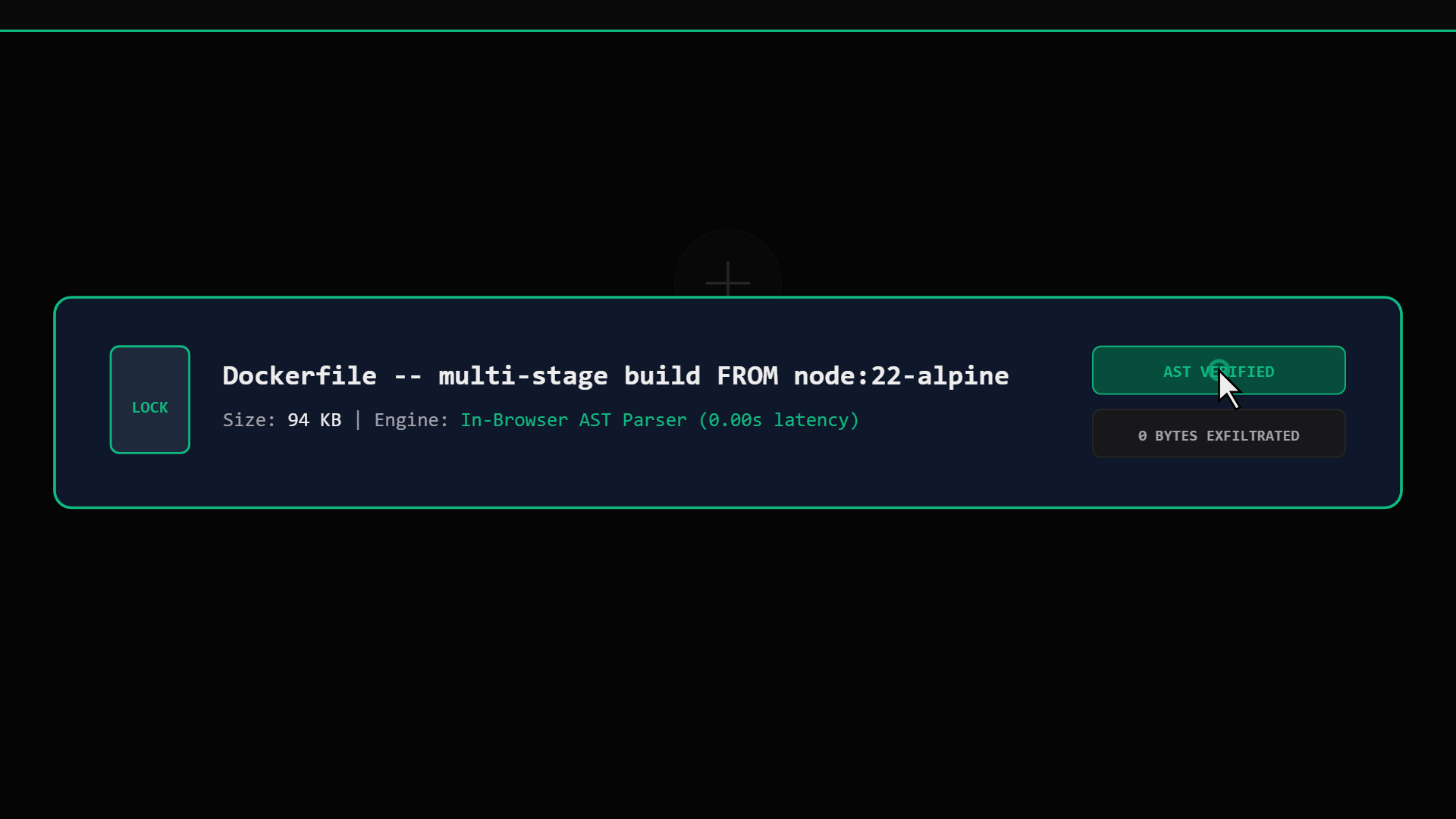
A floating tag like php:8.3-fpm or node:22-alpine is a moving target. If your CI cached the layer before 2026-10-21, you may be shipping the vulnerable binary today.
Your agent trusts text files that humans never read character by character. Bidi control characters and hidden shell hooks make that trust exploitable.